
If an old mobile home cannot be sold or moved, the usual answer is to have it torn down where it sits and hauled to a permitted landfill. Before that, sort out the title and registration with your county and have the utilities disconnected.
Step 1: decide whether it can be moved
A home in fair shape may be worth something to someone, and a mobile home mover can tell you whether it will survive a trip down the road. Many old homes will not. A soft floor, a leaking roof or a rusted frame usually means it comes apart before it gets far. If nobody will take it, it is a demolition job, and the rest of this guide is about that. Settle this question first, because it changes every step after it: the paperwork you need, who you call and what the site looks like when the home is gone.
Step 2: sort out the paperwork first
Do this before the home is gone, not after. The Alabama Department of Revenue says manufactured homes of model year 2000 and newer are titled in Alabama, and that homes built in 1999 or earlier do not get an Alabama title. It also says registration is due October 1 each year and is delinquent after November 30, and that a registered home carries a decal. A home sitting on land its owner also owns, and not rented out, is instead assessed for property tax with the land. So find what you have: a title if there is one, and the last registration or tax receipt. Then ask the county office that keeps those records what it needs to take the home off its books, and whether anything is owed.
Step 3: have the utilities disconnected
Power, water and gas each have to be disconnected by the utility that provides them. Nobody should start tearing into a home that is still live. Call early, because scheduling a disconnect often takes longer than the teardown. If there is a leased propane tank, the gas company that owns it collects it. Find the septic tank and the field lines and mark them. They normally stay in the ground, and heavy trucks should stay off them, more so if a new home will use the same system. If there is still a loan on the home, the lender has a say, so call them before anything else happens.
Step 4: empty it and list the add-ons
Take out anything you want to keep, and anything that should not go to a landfill with building debris. Old paint, fuel, tires and the like need to go where your county takes them. A home left full of furniture and bagged trash is more loads on the truck, and that shows up in the price. Tell the contractor about add-ons as well. A porch, steps, skirting, a lean-to, a carport or a shed on the same lot all add to the job, and all of them can go on the same trip if they are counted before the number is given.
Step 5: the teardown and the haul
A machine takes the home apart where it sits and loads it into trucks. Metal is usually kept apart from the rest, because steel and aluminum can go for scrap. ADEM, the state environmental agency, says all debris from demolishing residential buildings is regulated solid waste, and it recommends that the demolition contract require landfill receipts. It is not burned: the Alabama Forestry Commission says a permitted burn must not contain construction material. ADEM also has asbestos rules for demolition. Its page says privately owned residential buildings of four or fewer units that remain residential property are exempt, unless they are part of a larger project. If you are unsure where your job falls, ask ADEM before work starts.
Step 6: put the site right
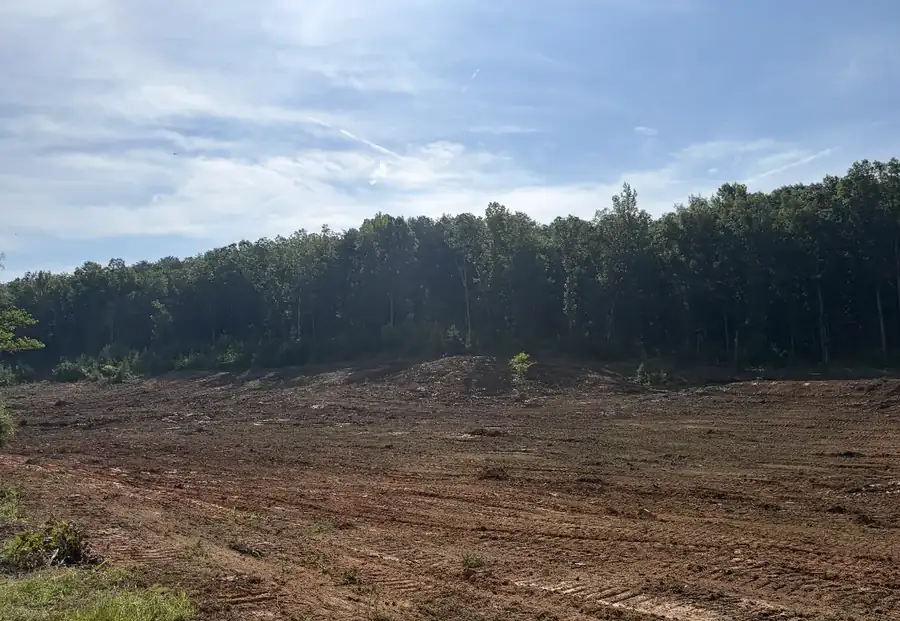
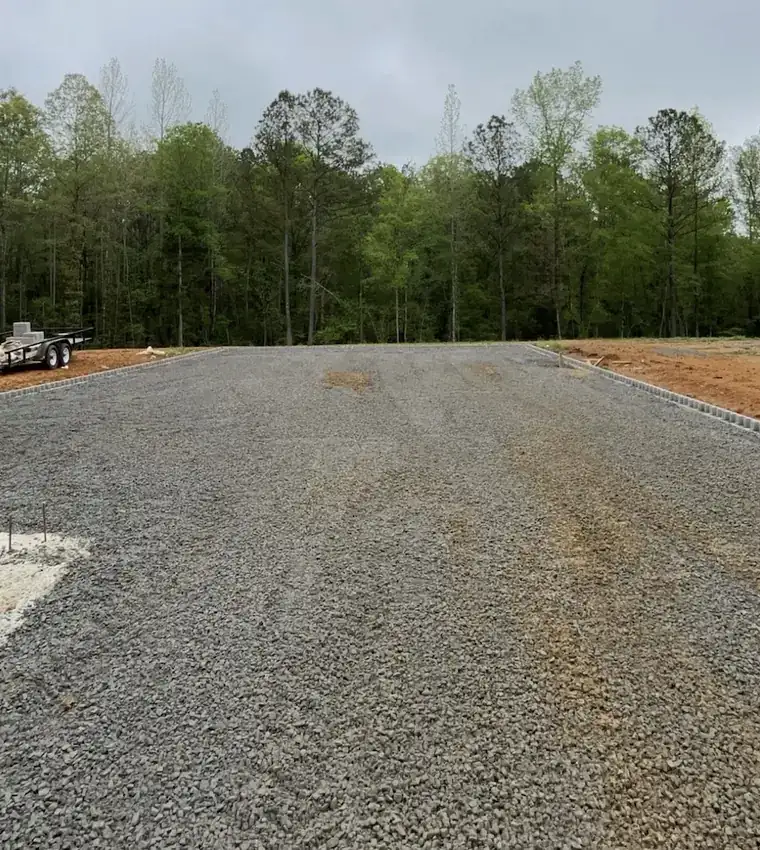
Once the home is gone, there are block piers, anchors and bare ground left behind. The piers are picked up, low spots are filled and the site is graded so water drains off it. Decide ahead of time what the spot is for. If a new home is coming, the old pad can be rebuilt or a new one cut, filled and compacted before the machines leave. That saves a second haul-in. See pads for shops, barns and mobile homes. If the ground is going back to yard or pasture, it is left smooth enough to grow grass and mow.
Step 7: tell the county it is gone
Go back to the county office from step 2 and finish what they asked for. If the home stays on their records, the bills can keep coming for something that no longer exists. County practice varies, and the offices that handle manufactured home registration and property tax are not the same in every county, so get the answer from your own county and keep a copy of whatever they give you. For a titled home, ask what happens to the title as well. Keep the landfill receipts with those papers. Together they are your proof of where the home went.
How we fit in
We tear down old single-wides and double-wides where they sit across eight west Alabama counties out of Berry, haul the debris to a permitted site and leave the ground graded. The porch, steps, skirting and sheds can go on the same trip. See mobile home removal and demolition for the work itself, and our mobile home demolition cost guide for what moves the price. Not sure if your job is something we take on? Call or text and ask.
Common Questions
Can I burn an old mobile home on my own land in Alabama?
No. The Alabama Forestry Commission says a permitted burn must not contain construction material, and ADEM says all debris from demolishing residential buildings is regulated solid waste. It goes to a permitted landfill. ADEM also warns that illegal dumping can bring enforcement against the landowner as well as the person who did it.
What paperwork should I sort out before an old mobile home is torn down in Alabama?
Ask your county before the teardown. The Alabama Department of Revenue says homes of model year 2000 and newer are titled and homes built in 1999 or earlier are not. Keep any title, registration or tax receipt you have, and ask the county office what it needs to remove the home from its records.
What happens to the septic tank when a mobile home is torn down?
It normally stays in the ground, and a new home can often use it. Mark where the tank and the field lines are before the machines arrive so trucks stay off them. Ask whoever services the system whether it suits the home you plan to set.
What to Do Next
Find the title or last registration, call the utilities, and note how a truck gets to the home. Then call or text (205) 535-6376 with the size of the home and the county. We will look at it and give you a free estimate for the teardown, the haul and the grading.
See our mobile home removal page or call or text (205) 535-6376.