Cleanup After Logging: Tops, Slash and Stump Sprouts Mulched
The loggers took the timber and left the rest. We mulch the tops, slash and stump sprouts on cutover land and open it back up for replanting, pasture or hunting.
Logging Cleanup, Start to Finish
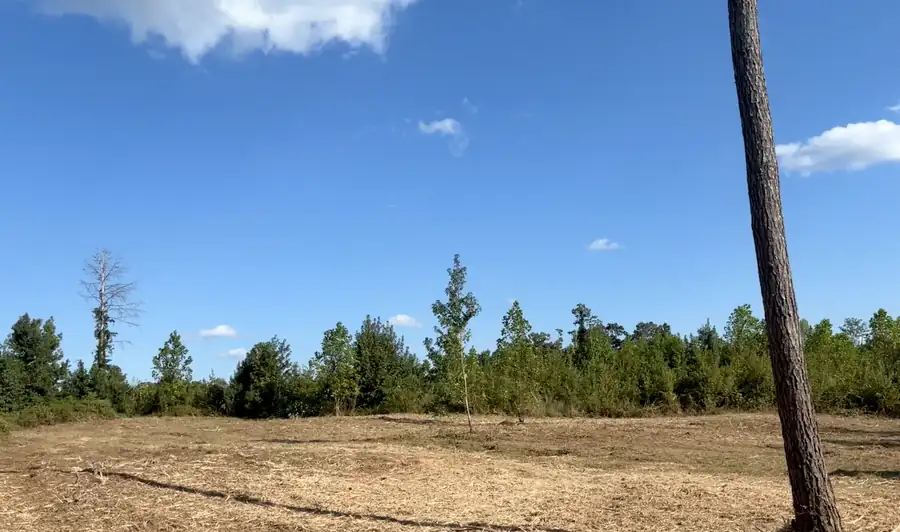
A logging crew is paid for what goes on the truck. What stays behind is yours: tops, limbs, cull logs, ruts, a loading deck packed like a parking lot, and stumps by the thousand. Give it two growing seasons and every hardwood stump has thrown a ring of sprouts, the briars have covered the slash, and the tract is harder to walk than it was before it was cut. That is cutover, and it is some of the roughest ground there is.
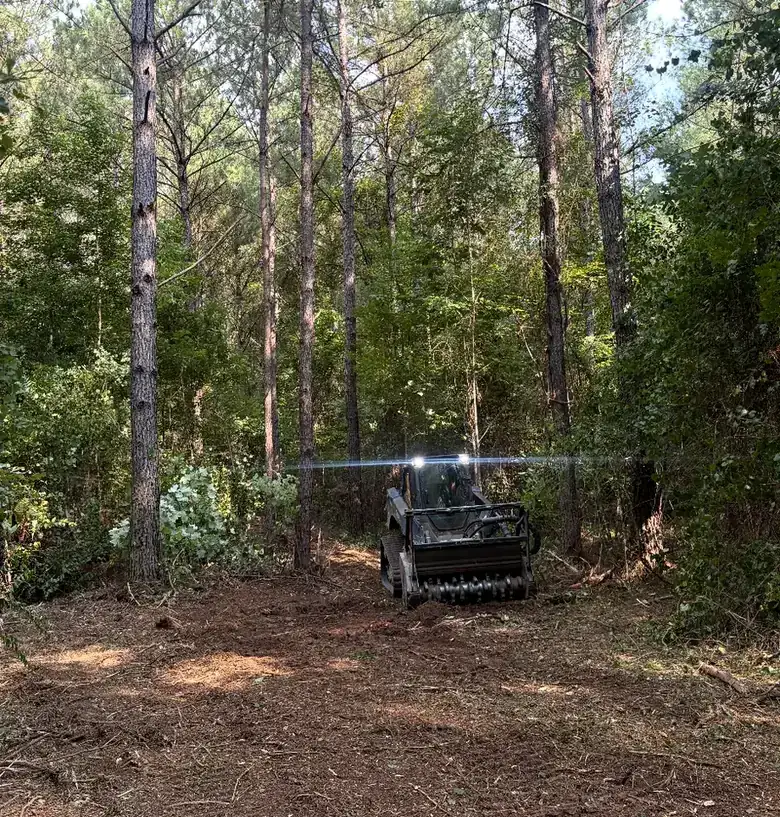
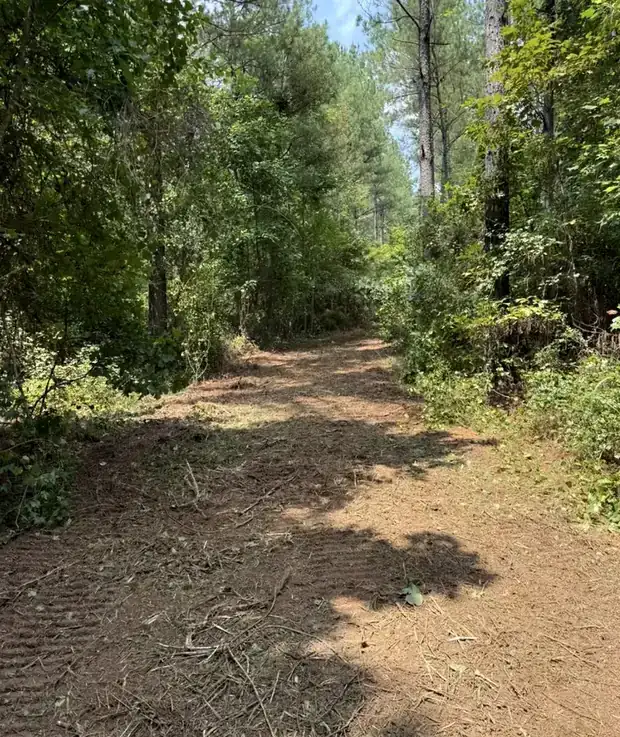
We run tracked mulchers over it. The drum head grinds tops, slash, briars, saplings and stump sprouts where they lie and leaves the chips on the ground as cover. No burning, no piles, no hauling. Cleaning up behind a logging crew is one of the standard uses of our forestry mulching machines. Material past roughly six to eight inches on the stump, and the big cull logs, are dozer and excavator work, which we also do.
What you are left with depends on what the land is for next. Rows open for a planting crew. Ground knocked down far enough to start a pasture. Lanes, plots and trails through a tract you plan to hunt while it grows back. If you have not sold the timber yet, read whether to sell the timber before you clear first, then call or text (205) 535-6376.
What logging cleanup covers
- Tops, limbs and slash mulched
- Hardwood stump sprouts ground down
- Briars and brush on cutover cleared
- Loading decks and skid trails opened
- Lanes and plots cut for hunting
- Ground opened for replanting or pasture
Sooner is easier
Fresh slash is bulky, but it is lying in plain sight and it grinds. Three or four seasons later the same tract has slash you cannot see under briars taller than the machine, sprouts as thick as your wrist, and logs hidden where a track will find them. It still mulches. It just takes longer, and time is what you pay for. If you know the tract is going back to pines, to pasture or to a hunting lease, the easy window is soon after the loggers pull out and the ground has dried enough to carry a machine.
Replanting, pasture or hunting: three different finishes
Tell us the plan, because each one is a different amount of work. For replanting, the aim is ground open enough for a planting crew to work, and your forester may want it done a certain way. For pasture, mulching is the first step. It takes the woody growth off without scraping the topsoil, but the stumps stay in the ground. If you plan to disc or plow, the stumps need to come out, and that is a land clearing job for the dozer and root rake. For hunting, most owners want only part of it opened: lanes, a few plots and a way around.
What moves the price on cutover
Acreage matters less than what is lying on it. Heavy hardwood tops take longer than pine slash. Slope, wet ground and how far the machine has to walk from the trailer all count. So does the finish: knocked down and walkable is one job, ground you could mow is another. Send the county, the acreage, when it was cut and a few photos, and we can tell you where it falls. Absentee owner? We can go over it with you on satellite first. Lamar County, on the Mississippi line, is inside our service area, and we take cutover jobs across Lamar County.
Real Job Photos
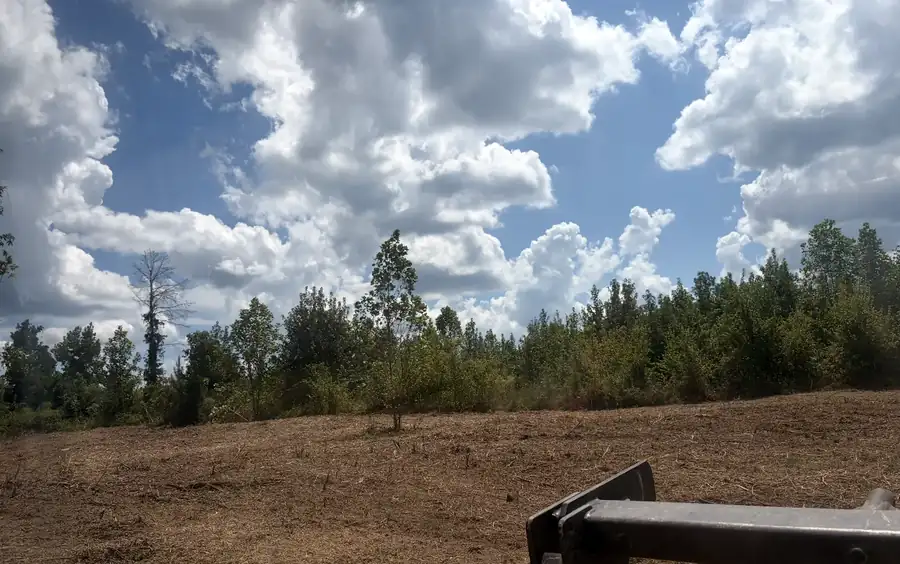
Phone pictures from real jobs, captioned with what they show. See more recent work.
Logging Cleanup Questions
Not seeing yours? Call or text (205) 535-6376 and ask.
- Forestry Mulching vs Bulldozing: Which Is Right for Your Land in Alabama
- Forestry Mulching Cost Per Acre in Alabama: What Moves the Price
- What Is Forestry Mulching? How It Works and When It Fits
- Forestry Mulching Pros and Cons: An Honest Look
- Bush Hog vs Forestry Mulching: Which Does Your Land Need?
- What to Do After Forestry Mulching: Seeding, Regrowth and Upkeep
- All guides
How do you clean up land after it has been logged?
With a forestry mulcher for most of it. The machine grinds the tops, limbs, briars and stump sprouts where they lie and leaves a layer of chips over the dirt. Big cull logs and oversized stumps are moved or pulled with a dozer and an excavator. Ruts, skid trails and the loading deck can be graded back out. How far to take it depends on what the land is for next.
Can a forestry mulcher grind up logging slash and treetops?
Yes. Tops, limbs and brush are well inside what a mulching head handles, and so is standing material up to roughly six to eight inches on the stump. Thick trunk sections and large cull logs are slower going and are often better moved aside or pushed up with the dozer. Dry slash grinds cleaner than green, and slash buried under briars takes longer.
Should I burn the slash or mulch it after a timber harvest?
Each has its place. Burning needs the slash piled first, leaves bare dirt behind and waits on the weather. The Alabama Forestry Commission issues burn permits, and a county can be under a burn ban, so check before a pile is lit. Mulching needs no piles and no burn day, and it leaves the ground covered against washing. On slopes, that cover is worth a lot. We can price both for your tract.
Can cutover timber land be turned into pasture?
Yes, and there are two ways. Mulching knocks down the slash and sprouts and gives you ground you can keep open by mowing, with the stumps left in place to rot. If you want a field you can disc, plow or cut hay off, the stumps have to come out with a dozer and root rake, which is a bigger job. Your county Extension office can advise on lime, seed and timing.
Will the loggers clean up when they finish, or is that on me?
That is set by your timber sale contract, so read it or ask your forester. Contracts often cover things like smoothing the loading deck and fixing roads the crew damaged, and say little about tops and slash across the tract. If cleanup matters to you, the time to write it in is before the timber is sold. What is left after that is the landowner's to deal with.
How a Job Runs
Tell Us What You Have
Call, text or send the form. County, rough acreage, what is growing on it and how a truck and trailer gets in.
We Look at the Ground
Close by, we come and look. Farther off, we can go over it with you on satellite first, then see it on the ground before the work starts.
A Number to Plan Around
Estimates are free and priced off the property. Small jobs carry a minimum, and you hear the figure before you commit.
The Machines Go to Work
We settle what comes out and what stays. Mark the trees you want kept, or walk it with us and point them out.
Finished, Not Just Knocked Down
Holes filled, ground pulled back to grade, and the fall set so water leaves the site instead of standing on it.
Logging Cleanup Near You
Based in Berry, in Fayette County. Eight west Alabama counties. Pick your county or town, or call or text and ask.
Towns
Pages for your town
More services
Need Logging Cleanup?
Call or text, or send a few details. Estimates are free and priced off the property.