
Footings Dug to Plan and Trenching for Water and Power
A shop needs footings. A barn needs water and power. We dig footings to your plans and trench for the lines, then backfill and leave the ground level.
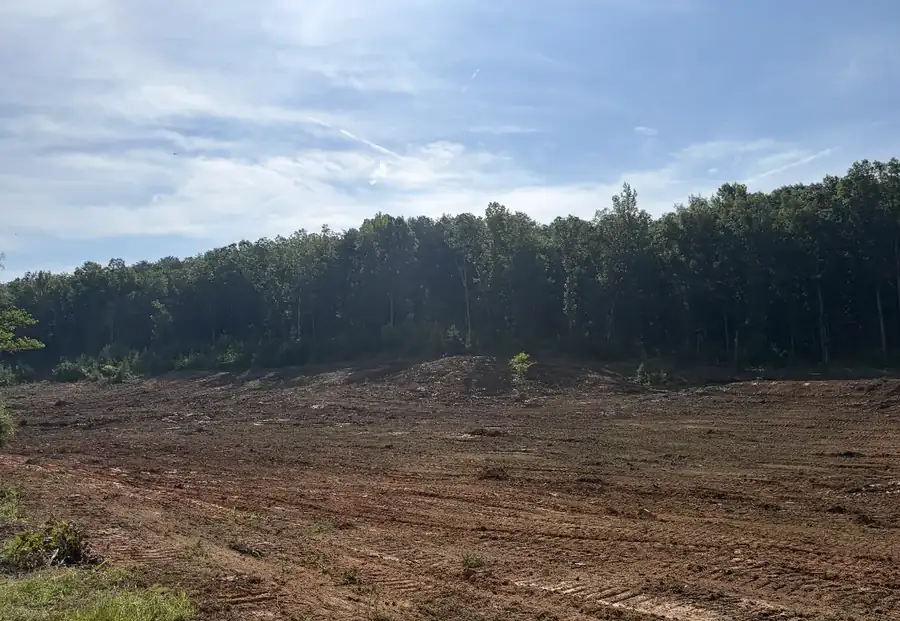
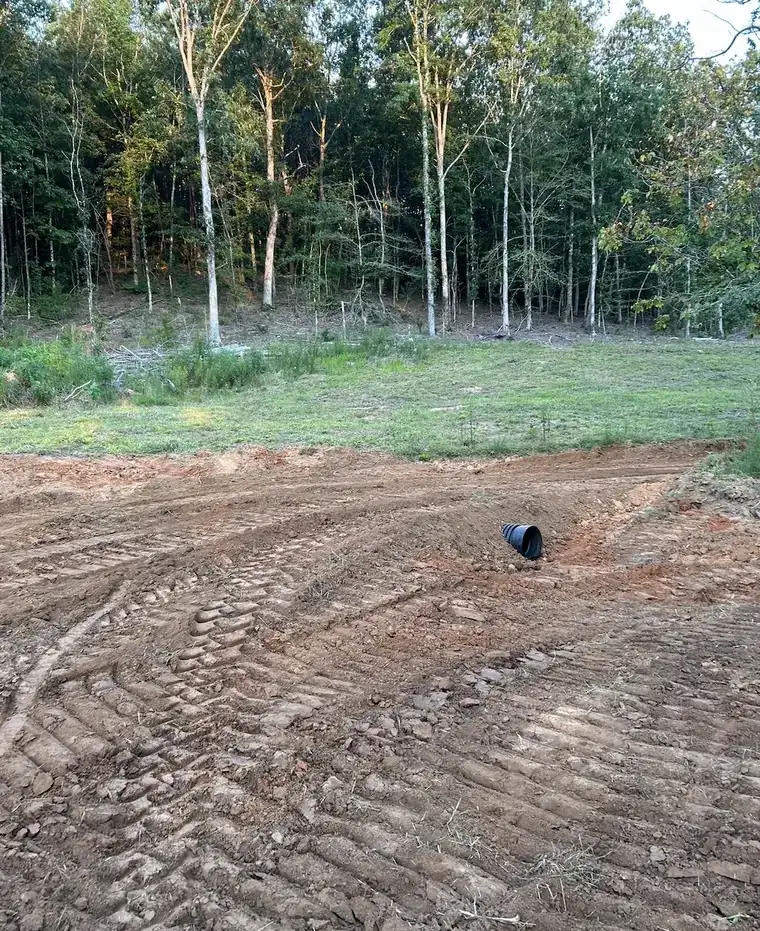
Footings & Trenching, Start to Finish
Some jobs need a hole in exactly the right place and nothing else. Footings for a shop, a house or an addition, where the concrete crew is booked and the trenches have to be right when they arrive. A water line to the barn, so you can stop dragging hose. Power out to a shop or a well. It is a small job standing between you and the next step, and a shovel is not going to do it in red clay and chert.
We do it with the excavator. Footings are dug to the size and depth on your plans, with square corners and a level bottom, so the crew forming them can go straight to work. Trenches are dug to the depth and the line you need, with the spoil laid alongside, and once your line is in and checked we backfill and pack it. It is everyday work under our excavating service.
What you are left with is footings ready for steel and concrete, or a trench closed up and graded so you would have to look for it. Where footings fit in the build is laid out in our guide to clearing land for a house or mobile home pad. Marion County, just north of our home county, is inside our service area. Call or text (205) 535-6376 with the length of the run or a photo of the plans.
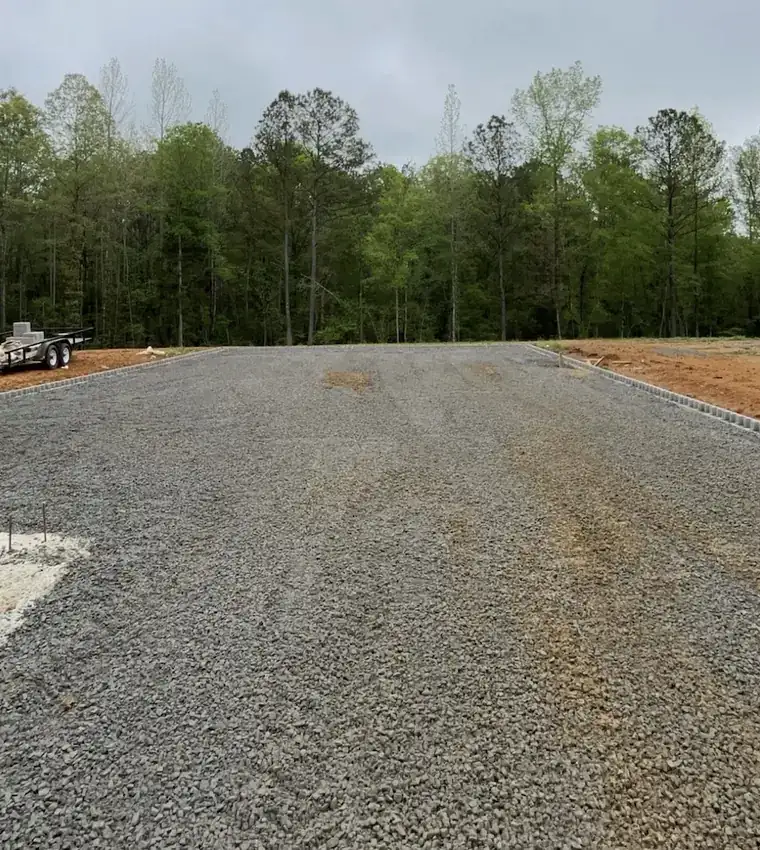
What footings and trenching covers
- Shop and house footings dug to plan
- Square corners and level bottoms
- Water line trenches to barns and shops
- Trenches for power and conduit runs
- Backfill placed in layers and packed
- Spoil spread, stacked or hauled
Footings: what the concrete crew needs to find
A footing trench has three jobs: right place, right size, firm bottom. We dig to the layout on your plans, or to the strings and paint your builder set. The bottom is dug level and left on undisturbed ground, since concrete poured on loose dirt settles. On a slope the footing steps down in level sections. If we hit soft ground, old fill, a stump hole or rock where the plans did not expect it, you hear about it then, before anybody pours over it. Your builder, your inspector or your engineer decides what to do, and the concrete crew takes it from there.
Trenching for water and power
A trench is priced by its length, its depth and what it crosses. Tell us how far the run is and whether it goes under a drive, through tree roots or across a slope. Depth, and the spacing between one line and another, are set by your plumber, your electrician, the utility or the inspector, so ask them and we dig to it. Your plumber or electrician lays the line. Once it is in and anyone who has to see it has seen it, we backfill in layers and pack it, so the trench does not sink into a dip across the yard.
Locates, private lines and rock
Before a bucket goes in the ground, an Alabama 811 locate has to be in place, and that goes for your own land as much as the roadside. A locate marks the public utilities. It does not mark private lines, such as a water line you ran yourself, the wire to a well pump or the field lines off a septic tank. Tell us about those. A lot of west Alabama dirt is red clay, chert and sandstone, and rock slows a trench down. If the digging is not what anyone expected, you hear about it before the work goes on. For a level place to build on first, see shop and barn pads.
Real Job Photos
Phone pictures from real jobs, captioned with what they show. See more recent work.
How deep do footings need to be dug for a shop or garage in Alabama?
The depth and width come from your building plans and the code your local inspector works to, and they depend on the building and the soil. A metal building supplier normally gives a foundation drawing with the figures. We dig to whatever the plans call for, with square corners and a level bottom on firm ground. If you have no plans yet, get them before the digging is priced.
How deep should a water line be buried in Alabama?
Deep enough to be safe from frost, traffic and the next person with a post-hole digger. The figure itself comes from the plumbing code your inspector uses, or from your water utility, and a line under a driveway may need to go deeper than one across a pasture. Ask your plumber what depth they want, and we dig the trench to it.
Can water and electric lines go in the same trench?
Sometimes, but the rules on spacing and depth are set by the electrical and plumbing codes and by the power company, not by whoever digs the trench. Ask your electrician and your plumber before the trench is dug, because sharing may call for a wider or deeper cut, or lines laid at different levels. Tell us what they need and we dig it that way.
How much does it cost to trench a water line to a barn?
It is priced on the run. Length comes first, then depth, then what the trench crosses: a gravel drive, tree roots, a slope or rock all slow it down. Backfilling and grading the trench afterward is part of the job. Short runs carry our small-job minimum, and you hear the figure before you commit. Tell us the length and what it crosses for a free estimate.
Do I have to call 811 before trenching to my own barn or shop?
Yes. Alabama 811 is free, and state law calls for a locate request before digging, including on private land. Buried power, gas, phone and fiber lines cross private property all the time. Check al811.com for how much notice is needed. The locate will not mark lines you or a past owner put in, so point those out yourself.
How a Job Runs
Tell Us What You Have
Call, text or send the form. County, rough acreage, what is growing on it and how a truck and trailer gets in.
We Look at the Ground
Close by, we come and look. Farther off, we can go over it with you on satellite first, then see it on the ground before the work starts.
A Number to Plan Around
Estimates are free and priced off the property. Small jobs carry a minimum, and you hear the figure before you commit.
The Machines Go to Work
We settle what comes out and what stays. Mark the trees you want kept, or walk it with us and point them out.
Finished, Not Just Knocked Down
Holes filled, ground pulled back to grade, and the fall set so water leaves the site instead of standing on it.
Footings & Trenching Near You
Based in Berry, in Fayette County. Eight west Alabama counties. Pick your county or town, or call or text and ask.
Towns
Pages for your town
More services
Need Footings & Trenching?
Call or text, or send a few details. Estimates are free and priced off the property.