House Demolition & Structure Removal in West Alabama
Old houses, barns and outbuildings taken down, loaded out and hauled to a permitted landfill. The slab and footings come out, the hole is filled and packed, and the lot is graded so you can use it again.
House Demolition, Start to Finish
An empty house does not hold still. The roof goes first, then the floors, then the kids and the copperheads find it. The tax bill keeps coming, the insurance company gets nervous, and the lot it sits on cannot be sold, built on or even mowed properly. Most of the old home places in west Alabama have been 'going to get dealt with' for a long time. Taking one down is the simple part once the paperwork and the utilities are sorted. This page walks through the whole thing, in order.
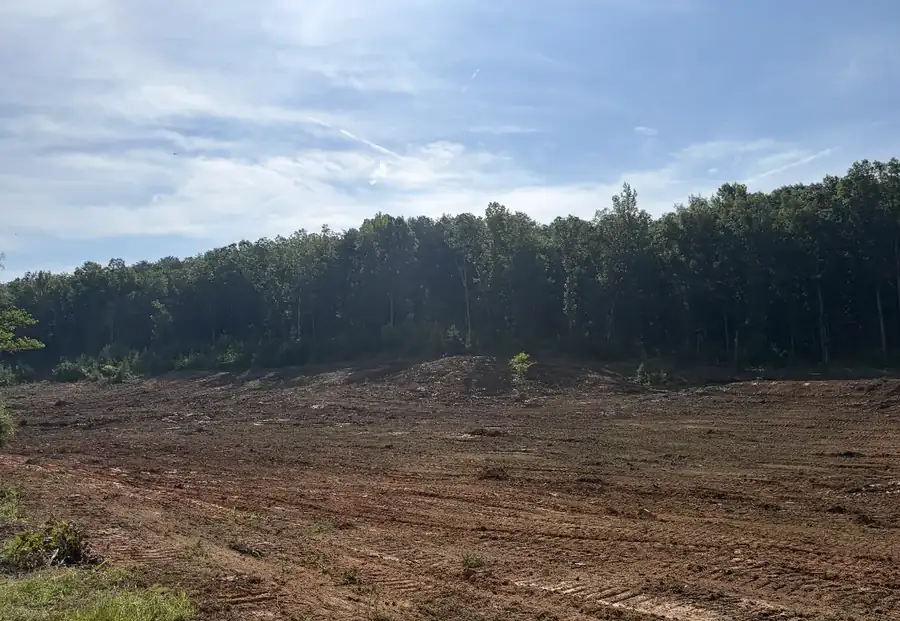
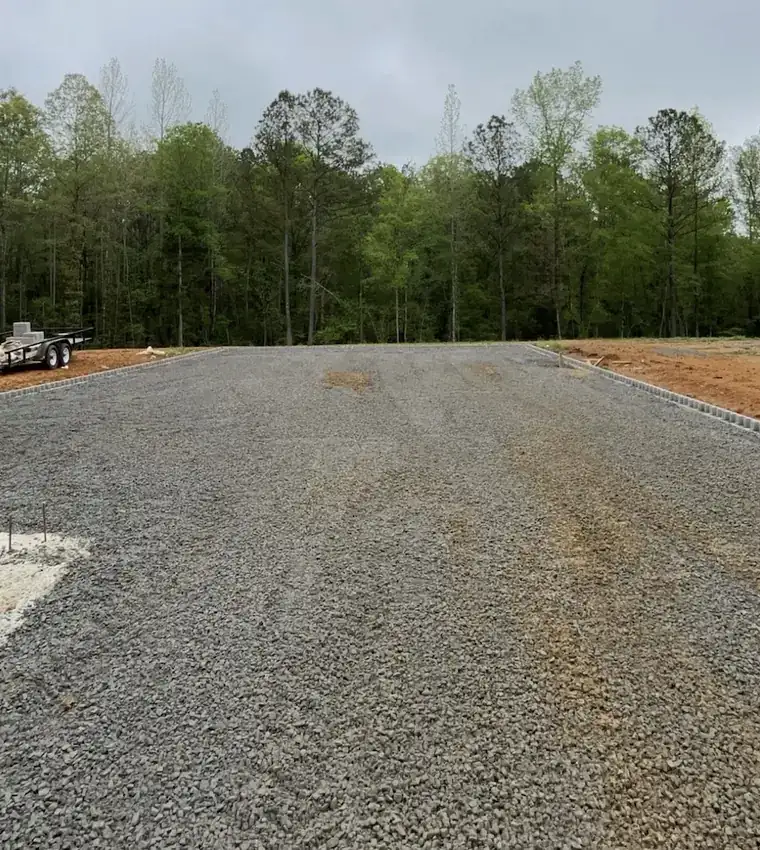
Demolition is four jobs, and only the first one is knocking it down. The building comes down with the excavator. The debris is sorted, loaded and hauled to a permitted landfill. The slab, footings, piers and steps are broken out and hauled too. Then the footprint is filled in layers, each one packed, and the ground is pulled back to grade with the rest of the lot. Skip any one of the four and you have traded a derelict house for a soft spot in the yard.
We are based in Berry, in Fayette County, and take demolition work across Fayette, Walker, Tuscaloosa, Marion, Lamar, Pickens, Cullman and Winston counties with our own machines. Estimates are free and priced off the property after a look. Tell us how old the building is, what it is built of, whether it sits on a slab or a crawl space, and how a truck gets to it. Call or text (205) 535-6376, or send the form. If your job is bigger or stranger than what is on this page, ask.
What a house demolition job covers
- House or structure taken down by machine
- Debris loaded and hauled to a permitted landfill
- Slab, footings, piers and steps broken out
- Old septic tank, cistern or well dealt with
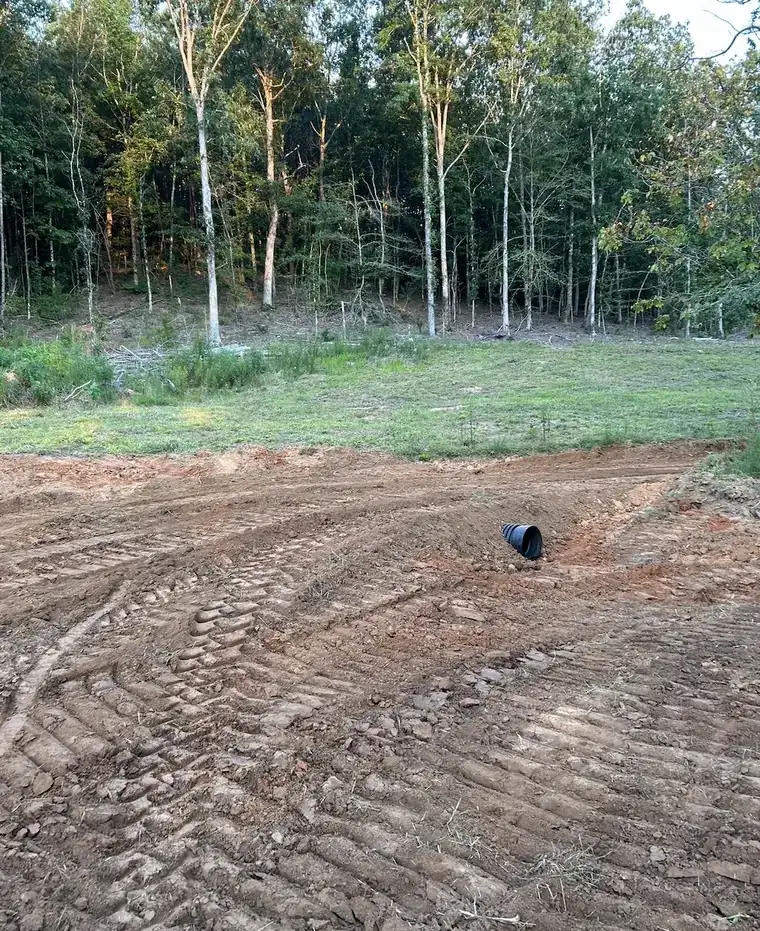
- Footprint filled in layers and packed
- Lot graded to drain and match the yard
Before the machine shows up: utilities, asbestos and permits
Three things have to happen before a wall comes down, and none of them is quick. One, the power, water and gas are disconnected by the companies that own them, and a leased propane tank is collected. Two, the asbestos question is answered. The Alabama Department of Environmental Management (ADEM) asks for a 10-day notification before a regulated demolition, with or without asbestos, and says regulated structures must be surveyed first by an asbestos inspector who holds Alabama accreditation. Three, if the house is inside a city limit, ask the building department about a demolition permit. Our Alabama demolition permit guide lays out the calls to make.
Is a private house exempt from the asbestos rules?
Sometimes, so ask ADEM directly. ADEM says privately owned residential buildings of four or fewer units that remain residential property are exempt from its asbestos regulations, though the debris still has to follow the state solid waste rules. It also says the exemption does not apply when the house is part of a larger project. A home place coming down for a new house is one thing. A house cleared for a commercial lot is another. Siding, floor tile and pipe wrap in older houses are the usual suspects. Nobody can tell by looking. Tell us the age of the house when you call, and check your own case with ADEM's asbestos program before a date is set.
Where the debris goes
ADEM is plain about this: all debris from demolishing a residential, commercial or industrial building is regulated solid waste. It goes to a permitted landfill. It is never burned with the brush pile or pushed into a gully on the back forty, and ADEM's fact sheet says enforcement can reach the landowner where dumping happens as well as whoever did the dumping. ADEM also recommends that a demolition contract require landfill receipts, so ask for them. Metal is kept apart where it makes sense, because steel and tin can go for scrap. If you want something saved, such as heart pine, old brick, a mantel or a cast iron tub, pull it or point it out before the day.
What you are left with
A lot you can use. The slab comes out unless you tell us to leave it, and some people do keep one for a shop floor or a carport. Say so early, because breaking concrete out is a lot easier than putting it back. Old septic tanks, cisterns and hand-dug wells get dealt with rather than covered over, and your county health department can tell you what it expects for an abandoned tank. The hole is filled in layers and packed, then graded so water runs off. If a new home is going on the same spot, the house pad can be built on the same trip. Barns and sheds have their own page: barn and outbuilding demolition.
Real Job Photos
Phone pictures from real jobs, captioned with what they show. See more recent work.
What does house demolition cost in west Alabama?
It depends on five things: the size of the building, what it is built of, whether it sits on a slab or a crawl space, how easy it is to get trucks in and out, and whether asbestos has to be dealt with first. Landfill fees and the haul are a big share of any demolition price. We look at the house and give you a figure before you commit. Our house demolition cost guide explains each driver.
Do I have to notify ADEM before demolishing a house in Alabama?
ADEM requires a 10-day notification before demolition of a regulated structure, whether or not asbestos is found, and a survey by an asbestos inspector with Alabama accreditation. It says privately owned residential buildings of four or fewer units that stay residential property are exempt from the asbestos regulations, unless the house is part of a larger project. Rules change, so confirm your own case with ADEM's asbestos program before work starts.
Can I burn an old house down instead of tearing it down in Alabama?
Not as a way to get rid of it. ADEM classes all building demolition debris as regulated solid waste that goes to a permitted landfill, and the Alabama Forestry Commission says a permitted burn must not contain construction material. ADEM lists one narrow case, a residential structure burned for fire department training, and that needs the Department's approval first. Ask ADEM before anyone strikes a match.
Do you remove the concrete slab and footings after a house is torn down?
Yes. The slab, footings, block piers and steps are broken out and hauled unless you tell us to leave them. Some people keep a good slab for a shop floor or a carport, and that is fine. Just say so before the job is priced. Where concrete comes out, the hole is filled in layers, packed and graded with the rest of the lot.
Who disconnects the power, water and gas before a house demolition?
The companies that own the lines. Call your power provider, your water system and your gas company, and ask each one for a disconnect for demolition. A leased propane tank is collected by the gas company that owns it. Make these calls first, because a disconnect can take a while to schedule. Tell us about private lines too, such as a well line or septic field lines.
How a Job Runs
Tell Us What You Have
Call, text or send the form. County, rough acreage, what is growing on it and how a truck and trailer gets in.
We Look at the Ground
Close by, we come and look. Farther off, we can go over it with you on satellite first, then see it on the ground before the work starts.
A Number to Plan Around
Estimates are free and priced off the property. Small jobs carry a minimum, and you hear the figure before you commit.
The Machines Go to Work
We settle what comes out and what stays. Mark the trees you want kept, or walk it with us and point them out.
Finished, Not Just Knocked Down
Holes filled, ground pulled back to grade, and the fall set so water leaves the site instead of standing on it.
House Demolition Near You
Based in Berry, in Fayette County. Eight west Alabama counties. Pick your county or town, or call or text and ask.
Towns
Pages for your town
Specific house demolition jobs
More services
Mobile Home Removal
Old single-wides and double-wides torn down on site, hauled off, and the ground left graded.
DetailsRetaining Walls
Block and boulder walls that hold a bank, built on a packed base with drainage behind.
DetailsPasture Reclamation
Grown-up fields mulched back to pasture and hay ground, with the topsoil left in place.
DetailsNeed House Demolition?
Call or text, or send a few details. Estimates are free and priced off the property.