Firebreaks & Fire Lanes
Breaks cut around homes, shops, timber stands and property lines, before you need them, not during. Mulched or dozed into a strip a ground fire has little or nothing to burn across.
Firebreaks, Start to Finish
A woods fire usually starts small. A debris pile on a windy afternoon. A spark off a mower blade in dry grass. A neighbor's burn that got across the line. What decides how far it goes is what is in front of it. Pine straw, broom sedge, briars and a few seasons of leaf litter will carry fire right up to a house, a shop, a hay barn or a stand of planted pine you have been growing for a long time. A break is how you take that fuel away, on your terms, ahead of time.
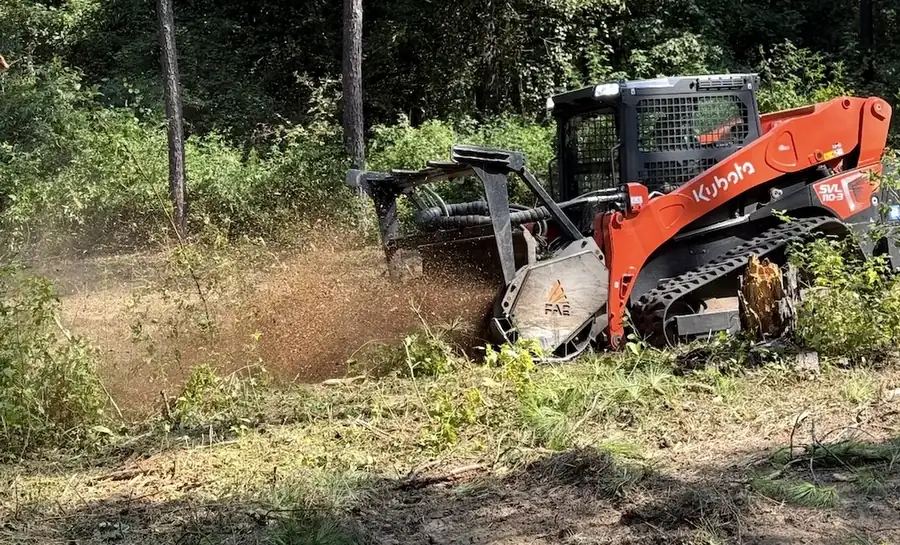
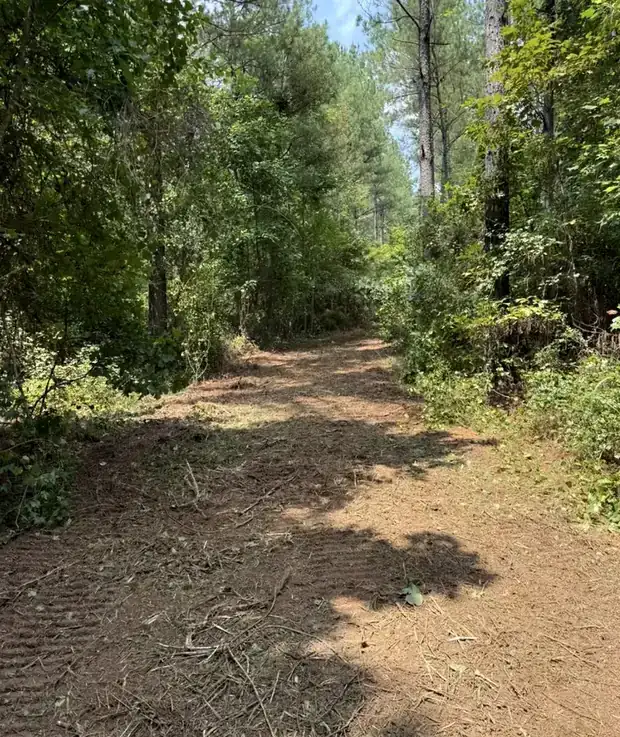
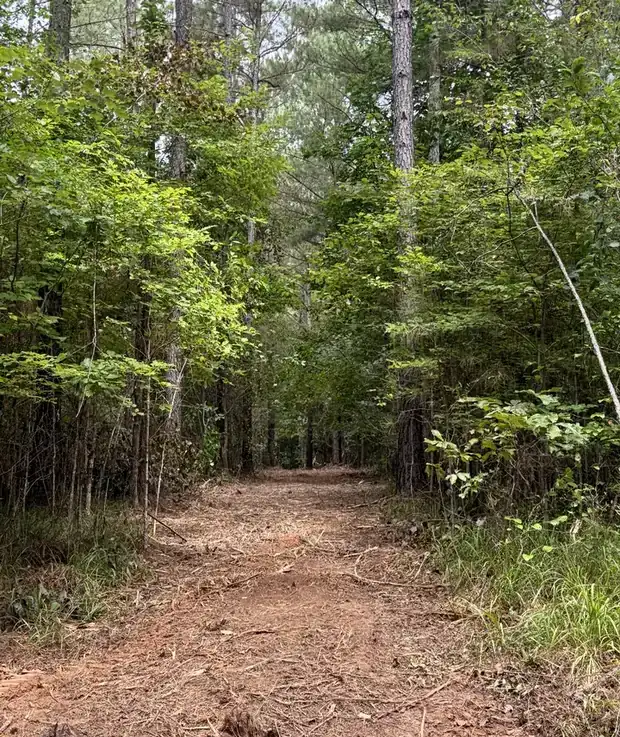
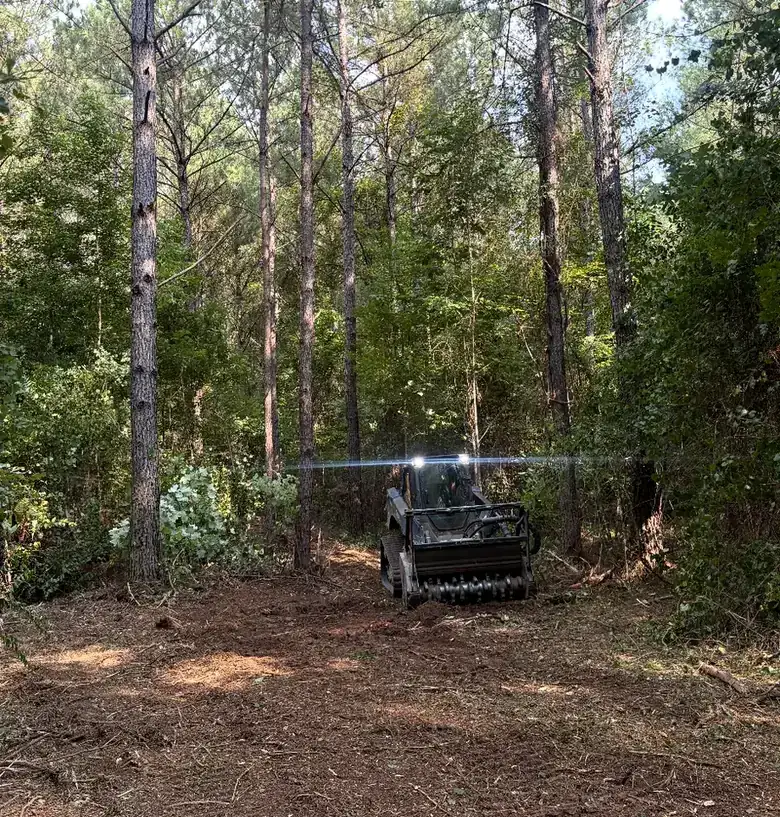
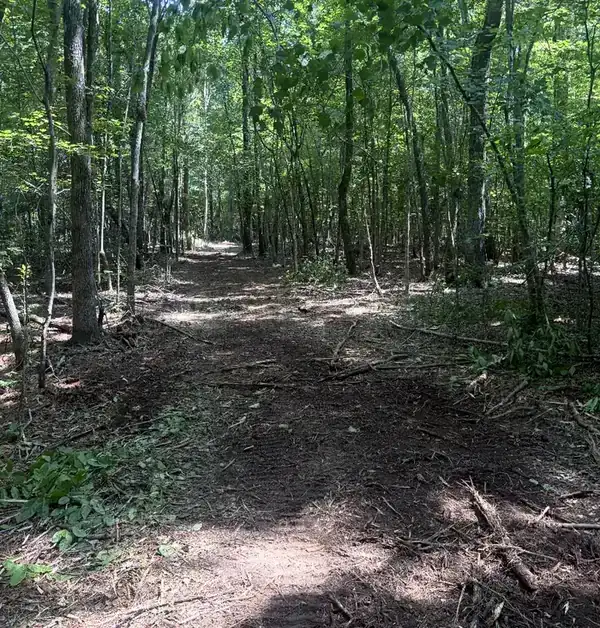
A firebreak is a strip with little or nothing on it to burn, wide enough that a ground fire runs out of fuel. We cut them two ways. The mulcher takes standing brush, briars and saplings off the strip and leaves a low lane you can drive and keep mowed. Where a bare dirt line is wanted, the dozer blade takes the strip down to mineral soil. Plenty of breaks are both: mulched wide, with a dozed line down the middle. Which one fits depends on the ground, the slope and what the break is for.
We are in Berry, in Fayette County, and cut firebreaks and fire lanes across Fayette, Walker, Tuscaloosa, Marion, Lamar, Pickens, Cullman and Winston counties with our own machines. Estimates are free and priced off the ground after a look. Tell us what you are protecting, roughly how long the line is, and what is growing on it now. Call or text (205) 535-6376. If a forester or a burn manager has laid out your lines, send us the map and we cut to it.
Where we cut breaks
- Around homes, shops, barns and camps
- Fire lanes around timber stands
- Along property lines and boundaries
- Control lines ahead of a planned burn
- Old fire lanes reopened and widened
- Breaks tied into roads, creeks and fields
Why a break works, and what it cannot do
A fire moving through brush needs fuel in front of it. A break takes the fuel away in a strip wide enough that a ground fire has nothing to step across on. It does not stop everything. Nothing does in the wrong wind, and embers can jump any line. But it slows a fire down, it buys time, and it gives firefighters somewhere to work from and a way to get equipment in. Around a house, the ground closest to the walls matters most: brush, dead limbs and pine straw in the first thirty feet or so are what carry fire to the building. Around timber, a break protects years of growth with one pass of a machine.
How wide, and where the line should run
The USDA Natural Resources Conservation Service standard for firebreaks in Alabama says a break must be wide and long enough to contain the fire you expect. As minimums it gives ten feet for a vegetated or access road break and eight feet of bare ground for a plowed or disked one. It says to put breaks on ridge tops and on the contour, and to tie them into natural barriers where you can. In plain terms: use the road, the creek, the pasture and the power line you already have, and cut only the gaps between them. Heavier fuel and steeper ground want more width. The Alabama Forestry Commission or your local NRCS office can advise on your stand. Firebreaks are also on NRCS's Alabama cost-share practice list: see EQIP cost share for brush clearing in Alabama.
Breaks and burning: the permit side
If you are planning a prescribed burn, the break goes in first and it goes in wider than you think. The Alabama Forestry Commission says state law requires a permit to burn any new ground, field, grassland or woodland, issued through its dispatch center at (800) 392-5679. The Commission says the permit means the burner has the manpower and equipment to control the fire and agrees to stay with it until it is out. In dry weather it can restrict permits under a Fire Alert. We cut the lines, and the burn plan and the permit stay between you, your burn manager and the Commission. Our guide covers Alabama burn permits for brush.
Slopes, washing and keeping a break alive
A bare dirt lane run straight down a hill is a gully by the second winter. The NRCS standard calls for erosion control on firebreaks, with water bars on slopes that are likely to wash. That is a strong reason to run breaks along the contour and to mulch the steep stretches instead of blading them. A break also has to be kept. Leaves and straw fill it, and sweetgum sprouts come up in it, so plan on freshening it before fire season or before a burn. A good break doubles as a trail and a way in for a truck. Slash from a timber harvest is fuel too: see cleanup after logging and our forestry mulching page.
Real Job Photos
Phone pictures from real jobs, captioned with what they show. See more recent work.
How wide should a firebreak be around a pine stand?
Wide enough to hold the fire you expect, and wider on a slope or in heavy fuel. The NRCS firebreak standard for Alabama gives minimums of ten feet for a vegetated or access road break and eight feet of bare ground for a plowed or disked one. For advice on your own stand, ask the Alabama Forestry Commission or your forester, then we cut to the plan.
Can a forestry mulcher make a firebreak or does it take a dozer?
Both have a place. A mulcher takes the brush, briars and saplings off the strip and leaves a low, drivable lane that holds the soil, which suits slopes and breaks you will keep mowed. A dozer blade cuts to bare mineral soil, which is what many burn plans want for a control line. We run both and often use them together.
Do I need a firebreak before a prescribed burn in Alabama?
Plan on it. The Alabama Forestry Commission's summary of the state burn law says flammable material has to be cleared a reasonably safe distance around what is being burned, and a permit is issued on the understanding that you can keep the fire confined. Ask the Commission or your burn manager how wide the lines should be for your tract.
Can you cut a fire lane on steep ground?
On a lot of it, yes. Tracked machines hold a slope well, and mulching leaves the roots and a chip cover so the lane does not wash. We walk the line first. Where a pitch is too steep to work safely, the break is laid out along the contour or tied into a road or a creek instead of going straight over it.
How often does a firebreak need to be redone?
It depends on how fast it fills. Leaf litter, pine straw and stump sprouts start closing a break the first year. The NRCS standard says to inspect breaks every year and keep them clear of woody debris. A mulched lane you can mow stays open cheaply. A dozed line usually wants freshening before each burn or each fire season.
How a Job Runs
Tell Us What You Have
Call, text or send the form. County, rough acreage, what is growing on it and how a truck and trailer gets in.
We Look at the Ground
Close by, we come and look. Farther off, we can go over it with you on satellite first, then see it on the ground before the work starts.
A Number to Plan Around
Estimates are free and priced off the property. Small jobs carry a minimum, and you hear the figure before you commit.
The Machines Go to Work
We settle what comes out and what stays. Mark the trees you want kept, or walk it with us and point them out.
Finished, Not Just Knocked Down
Holes filled, ground pulled back to grade, and the fall set so water leaves the site instead of standing on it.
Firebreaks Near You
Based in Berry, in Fayette County. Eight west Alabama counties. Pick your county or town, or call or text and ask.
Towns
More services
Forestry Mulching
Brush, briars and small timber ground to mulch where they stand. No piles, no hauling.
DetailsLand Clearing
Trees pushed, stumps raked out, debris burned or hauled, ground graded and ready to use.
DetailsUnderbrush Removal
Privet, briars and saplings mulched out from under the trees you are keeping.
DetailsNeed Firebreaks?
Call or text, or send a few details. Estimates are free and priced off the property.