
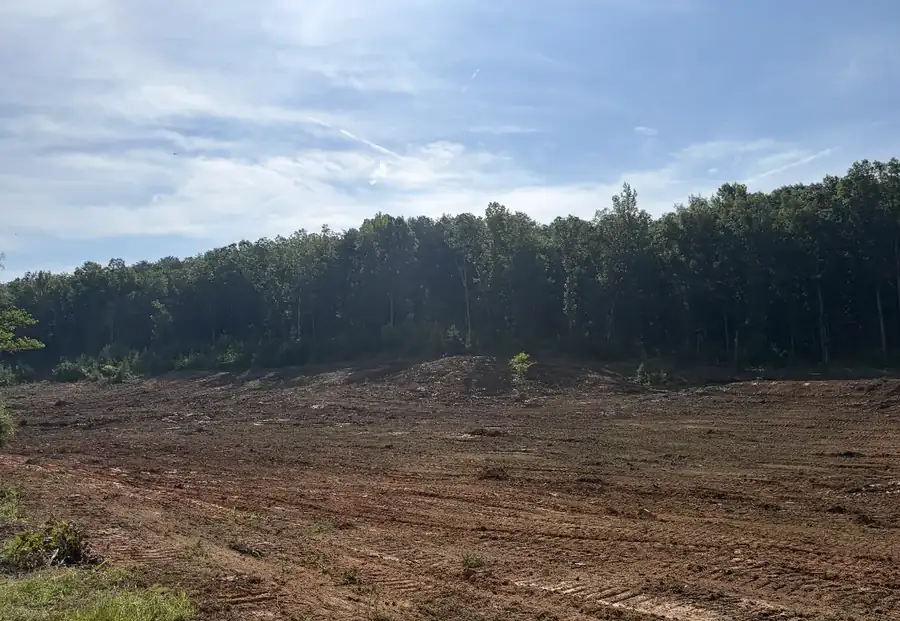
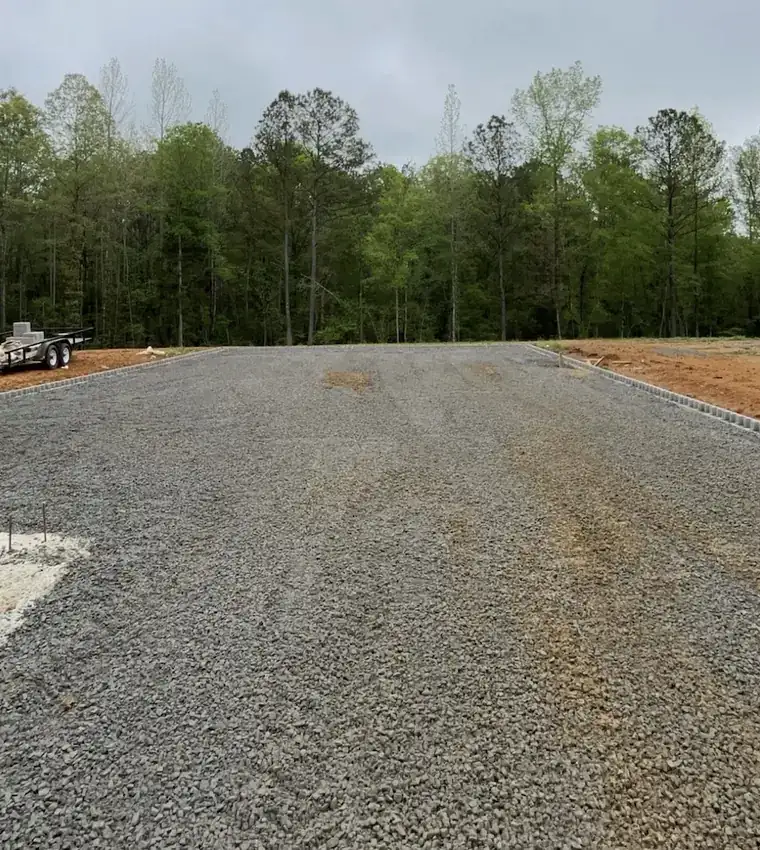
Alabama's manufactured housing installation rules ask for a site graded so water drains away from the home, with grass and organic material removed and the piers set on stable soil, not on a mound. The Alabama Manufactured Housing Commission enforces those rules, and the setup itself has to be done by an installer holding the Commission's certification. Who pays for and does the site preparation is settled in a written agreement.
Who sets the rules
The Alabama Manufactured Housing Commission writes and enforces the state's installation code, which sits in the Alabama Administrative Code at chapter 535-X-13. The Commission's installers page says homes may only be installed in Alabama by an installer holding its certification, that it is a violation of the law to contract with an uncertified one, and that you can check an installer through the page or by calling the Commission at (334) 242-4036. A dirt contractor builds the pad and the drive. The installer sets, levels, anchors and connects the home.
What the site has to do
Rule 535-X-13-.04 says the site shall have a grade that drains water away from the home site, and the rule goes on to say the site should be shaped so water does not stand or run under the home. Rule 535-X-13-.06 says all grass and organic material must be removed and the pier foundation placed on stable soil, and that decayable material such as grass, roots, twigs and wood scraps must be cleared from beneath the home. It also says a pier footing must not be placed on a mound, and it sets a minimum soil bearing capacity of 2,000 pounds for the minimum pier foundation.
What that means for the dirt work
In practice the pad has to be cleared of stumps, roots and topsoil where the home will sit, built of firm dirt, compacted, and shaped so rain runs off on every side. Fill that was dumped and never packed settles under the piers, and settling shows up later as doors that stick and floors out of level. On a hillside lot that means a cut-and-fill bench with water turned above it. On low ground it means fill raised in compacted lifts.
See house pads for how we build them, and clearing land for a house or mobile home pad for the order of the whole job.
Who is responsible for site preparation
Rule 535-X-13-.04 says the cost and labor of site preparation are set by a written agreement between the parties, and that site preparation is a shared responsibility of the retailer and the installer, except in a park, where the park owner is responsible. For a used home being moved with no retailer involved, it falls to the installer. The retailer or installer must give the buyer a signed copy of the Commission's Site Preparation: Information and Requirements form. Read it before the pad is built, and give your dirt contractor a copy.
Floodplains, septic and the drive in
The installation rules limit pier height to 60 inches unless an engineer designs otherwise or the National Flood Insurance Program's floodplain rules call for a different design, so a lot in a mapped floodplain is a question for the county or city before the pad is built. If the home will not be on public sewer, the Alabama Department of Public Health says a permit from the local health department is needed before a new septic system goes in, and some lots are not suited to one. Get that site evaluation done before the pad is set.
The home also has to arrive on a truck. A drive onto a state highway needs an ALDOT permit, and county roads go through the county engineer. Our driveway culvert and permit guide covers that side.
Inspection after setup
The rules say a home shall not be skirted until a Commission inspector has inspected the setup, and that it may be skirted if no inspection happens within ten days of notification. Leave working room around the home for that inspection, and keep the finished grade sloping away from the piers once the skirting goes on.
Replacing an old home on the same spot
The old pad is often the right spot but the wrong shape. Once the old home, its piers and its add-ons are gone, the ground under it is usually rutted and soft, with years of leaves and trash under the floor line. That has to come out before the new pad is built. Our guide on how to get rid of an old mobile home in Alabama covers the teardown and the paperwork.
Common Questions
Does a mobile home pad have to be compacted in Alabama?
Alabama's installation rules require the piers on stable soil with a minimum bearing capacity of 2,000 pounds for the minimum pier foundation, and they say a pier footing must not sit on a mound. Packing fill in thin lifts is how a pad built from dirt gets there. Loose, dumped fill settles under the piers.
Who is responsible for site preparation for a manufactured home in Alabama?
Alabama's rules say site preparation cost and labor are set by a written agreement, and that responsibility is shared by the retailer and the installer, except in a park, where the park owner is responsible. The retailer or installer must give you a signed copy of the Commission's site preparation form.
Can a dirt contractor set up my mobile home in Alabama?
Setup has to be done by an installer who holds certification from the Alabama Manufactured Housing Commission, which says contracting with an uncertified installer violates the law. A dirt contractor builds the pad and the drive. You can check an installer on the Commission's website or by calling (334) 242-4036.
Do I need to remove the grass and topsoil under a mobile home?
Yes. Alabama's rules say all grass and organic material must be removed and the piers placed on stable soil, and that decayable material such as roots, twigs and wood scraps must be cleared from beneath the home. Topsoil and roots left under fill rot and settle.
What to Do Next
Get the site preparation form from your retailer or installer, ask where they want the home and how big it is, and settle the septic and driveway questions early. Then call or text (205) 535-6376 and we will look at the lot and give you a free estimate on the pad.
See our house pads page or call or text (205) 535-6376.