
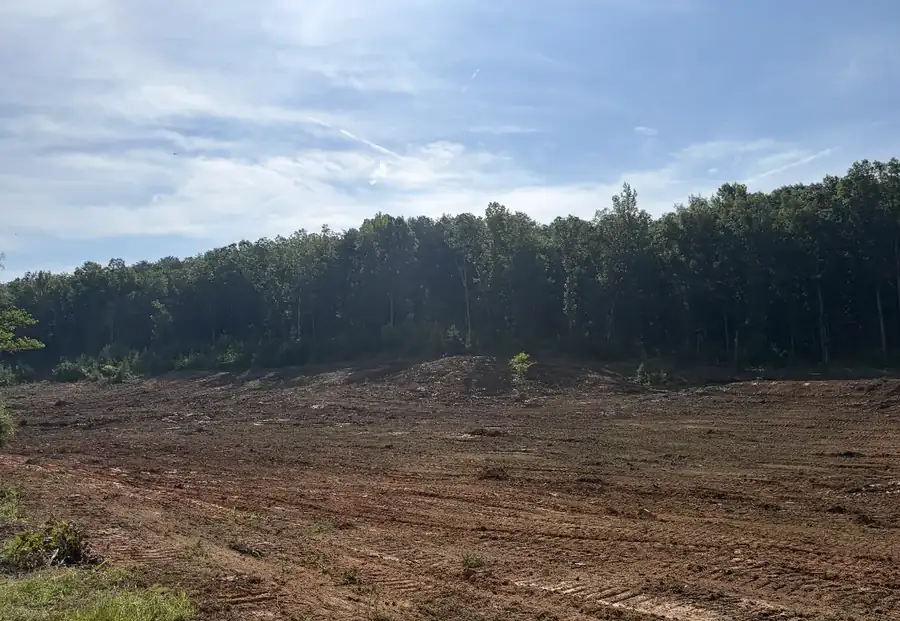
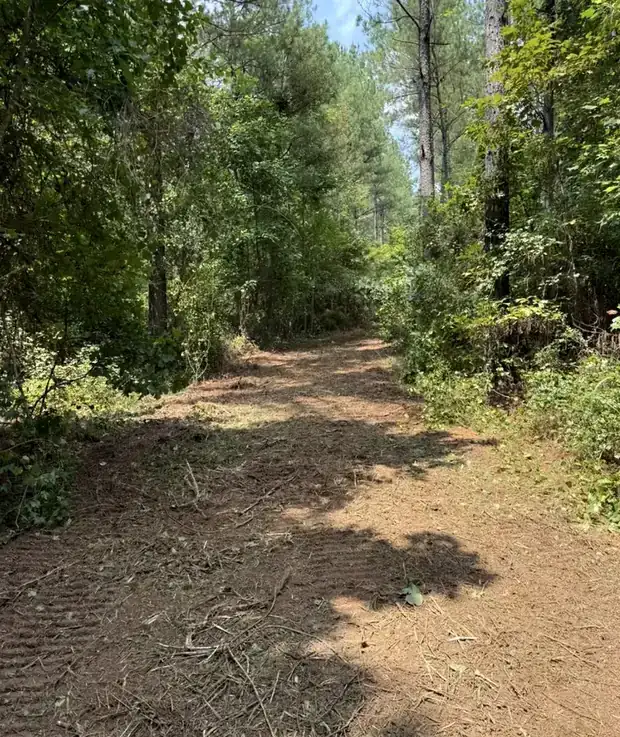
A gravel driveway washes out because water is running down it and not off it, usually because the crown is gone, the ditches are missing or filled, or there is no culvert where water needs to cross. The lasting fix is to reshape the drive so water sheds to the sides, give that water a ditch and a pipe to follow, and only then add gravel.
Water is the real problem
Every gravel drive that fails, fails the same way: water got on it and had nowhere to go. It finds the wheel tracks, runs down them, picks up the fine material that holds the rock together and carries it to the bottom of the hill. What is left is loose stone, washboard and a gully that gets deeper with each storm. The gravel is not the cause. Hauling in more of it without changing where the water goes just gives the next rain more to carry off.
Check the crown first
A drive should be higher in the middle than at the edges, so rain runs sideways off it within a few feet. Road agency guidance for gravel roads, including the federal highway gravel roads manual that local road departments work from, calls for a crown of about four percent, which is roughly half an inch of fall for every foot of width. Traffic and time flatten it. Once the middle is level or dished, the drive is a ditch. Look at yours in the rain. If water is flowing along it, the crown is gone.
Then the ditches
Water shed off the crown has to be carried away, or it soaks the edge of the drive and softens the base. That is what side ditches are for. On many country drives the ditch was never cut, or it has filled with leaves, silt and washed gravel until it is level with the road. High shoulders do the same harm by trapping water on the surface. Ditches need a place to empty: a turnout into the woods, a draw or a culvert. A ditch that ends in a dam is a pond beside your drive.
Culverts where water has to cross
If water comes off the uphill side and has to get to the downhill side, it will cross the drive. The only question is whether it goes under in a pipe or over the top. A missing culvert, one that is too small, or one with a crushed or buried end sends storm water across the surface, and that is where the big washouts start. A culvert has to be sized for the water above it, bedded properly, covered deep enough to carry traffic, and kept open at both ends. See culvert installation for how we set them.
Steep hills and long runs
On a long slope the water that does get on the drive picks up speed, and speed is what moves rock. The answer is to get it off sooner. A broad dip or a shallow angled swale across the drive every so often turns water into the ditch before it can gather. Ditches on steep runs may need rock in the bottom so they do not cut. Sometimes the honest fix is to move a stretch of the drive so it climbs the hill at a gentler angle. On the red clay hills of west Alabama it is one of the most common driveway problems there is.
Base, then surface
A drive is two layers doing two jobs. The base carries the load. The surface gives you something to drive on and sheds the water. A good drive usually has a crusher run base with a surface layer over it. Crusher run has fines in it that lock the stone together when it is packed. Clean, washed stone with no fines rolls under tires and moves downhill. If the drive pumps mud in wet weather, the base is the problem, and soft spots have to be dug out and rebuilt before new rock goes on.
What a lasting repair looks like
In order: find where the water comes from and where it should go. Cut or clean the ditches and give them outlets. Set or replace the culverts. Pull the washed material back up, reshape the crown and pack it. Then add rock where it is needed, and only as much as is needed. That is the scope of our gravel driveway repair work. If the drive ties into a state highway or a county road, ask ALDOT or the county engineer before changing the entrance or its pipe. New drives are covered on the driveways and access roads page.
Common Questions
Will adding more gravel stop my driveway from washing out?
Not by itself. If water is running down the drive, new gravel washes the same way the old gravel did. The drive needs its crown put back, ditches to carry the water and culverts where it crosses. Then gravel goes on and stays put.
How much crown should a gravel driveway have?
General road agency guidance for gravel roads is about four percent, or roughly half an inch of fall per foot from the center to the edge. Too little and water sits or runs down the drive. Too much and the fines wash off the top. The right shape for a narrow private drive is set on site.
What kind of gravel stays in place on a steep driveway?
Stone with fines in it, such as crusher run, packs and locks together, so it holds on a slope better than clean washed stone, which rolls. Material is only half of it. On a hill the water has to be turned off the drive often, or it will move any gravel you put down.
What to Do Next
If your drive ruts or gullies after every hard rain, send us a few photos, the length of the drive and where the water comes from. Call or text (205) 535-6376 and we will look at it and give you a free estimate priced off the property.
See our driveways page or call or text (205) 535-6376.